
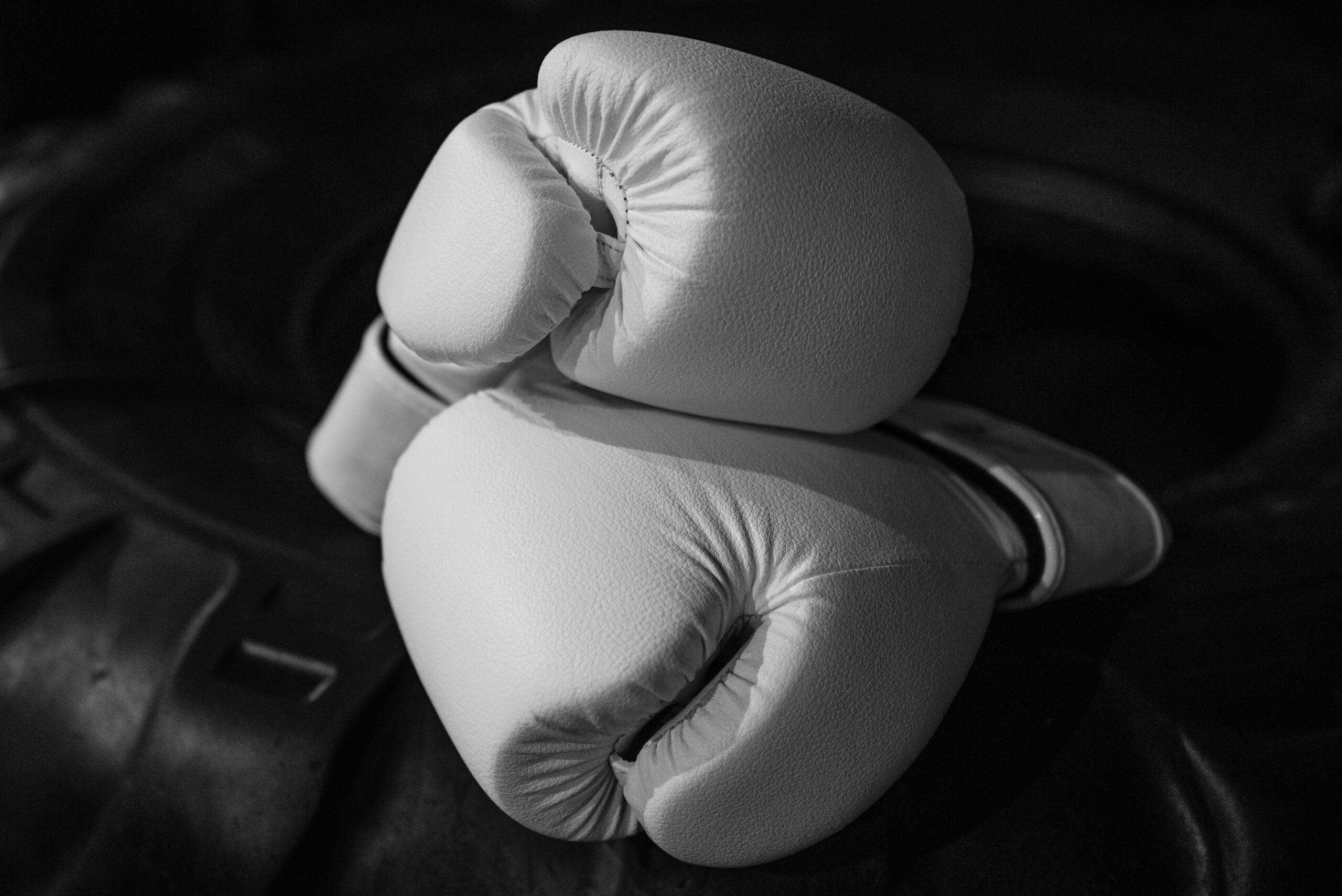
Queens of the Ring: The Female Fighters Who Changed Boxing Forever
Women’s boxing has never simply been about fighting inside the ropes.
For decades, female fighters had to battle:
- promoters
- commissions
- broadcasters
- stereotypes
- media ridicule
- financial inequality
- and the belief that women did not belong in the sport at all.
Long before sold-out arenas and televised championship fights, women’s boxing existed in the shadows — underfunded, underpromoted, and often dismissed despite the skill and courage of the athletes involved.
Today, stars like Claressa Shields, Katie Taylor, and Amanda Serrano headline major cards and generate global attention. But the modern era of women’s boxing was built on the sacrifices of pioneers whose stories remain largely overlooked by mainstream sports history.
Some fought for titles.
Others fought simply for the right to exist in the sport.
This is the story of the women who helped change boxing forever.
Christy Martin and the Television Breakthrough
Before women’s boxing gained consistent mainstream visibility, there was Christy Martin.
Martin became one of the first female fighters to break through nationally during the 1990s, largely through her association with promoter Don King and her memorable performances on major fight cards.
Her 1996 bout against Deirdre Gogarty is often considered one of the turning points for women’s boxing in modern television history.
The fight was:
- violent
- emotional
- technically impressive
- impossible for audiences to ignore
For many viewers, it shattered long-standing assumptions about women’s boxing.
Martin proved female fighters could:
- attract ratings
- sell tickets
- deliver elite competition
- and command emotional investment from fans
But visibility came with challenges.
Women’s boxing was still treated as novelty entertainment by many broadcasters and promoters. Female fighters often received:
- lower purses
- fewer televised opportunities
- limited sponsorships
- reduced media coverage
Even as Martin became a recognizable face in boxing, the sport itself remained structurally unequal.
Lucia Rijker — The Fighter Ahead of Her Era
Few names carry more respect among combat sports historians than Lucia Rijker.
Nicknamed “The Most Dangerous Woman in the World,” Rijker dominated opponents with a combination of:
- elite technique
- knockout power
- physical discipline
- psychological intensity
Many believed she possessed the skill and power to become one of the sport’s greatest stars.
The problem was timing.
Women’s boxing infrastructure simply was not ready.
The promotional ecosystem lacked:
- major television investment
- consistent title opportunities
- deep divisions
- long-term marketing support
As a result, many of Rijker’s best years occurred outside mainstream sports visibility.
Today, younger fans often discover her through old clips, documentaries, and archival footage rather than through widespread historical recognition.
Her career represents one of boxing’s recurring truths:
Sometimes greatness arrives before the business model exists to support it.
Laila Ali and the Weight of Legacy
When Laila Ali entered boxing, she carried one of the heaviest expectations in sports history.
Being Muhammad Ali’s daughter guaranteed attention.
It also guaranteed scrutiny.
Critics questioned:
- whether she belonged
- whether women’s boxing deserved visibility
- whether her success was tied more to her name than her skill
But Ali developed into an undefeated world champion and one of the sport’s most recognizable ambassadors.
Her importance extended beyond titles.
Laila Ali helped normalize the idea that women’s boxing could:
- attract mainstream audiences
- receive media attention
- generate commercial sponsorship
- and exist within larger sports culture conversations
Her crossover appeal helped expand the visibility of women’s boxing beyond hardcore fight fans.
Claressa Shields and the New Era
If earlier generations fought for recognition, Claressa Shields represents a fighter demanding full equality.
A two-time Olympic gold medalist and multiple-division world champion, Shields has become one of the loudest voices pushing for:
- equal pay
- equal respect
- equal visibility
- equal historical recognition
Unlike earlier generations who were often forced into silence to maintain opportunities, modern fighters like Shields openly challenge the structural inequalities still present in combat sports.
Her career reflects a major evolution in women’s boxing:
Female fighters are no longer asking for permission to belong.
They are demanding ownership of their place in boxing history.
Why Women’s Boxing Was Ignored for So Long
For decades, many boxing commissions outright banned women’s boxing.
Promoters often claimed:
- audiences would not care
- television networks would not invest
- sponsors would not support female fighters
The reality was more complicated.
Women’s boxing frequently lacked investment not because the athletes lacked talent — but because institutions refused to market, develop, and support the sport properly.
Without:
- television slots
- promotional budgets
- sponsorship
- media narratives
- infrastructure
many elite fighters remained invisible despite world-class ability.
The growth of women’s boxing today is not accidental.
It is the result of generations of fighters forcing the sport to evolve.
Why Their Stories Matter
Women’s boxing is not simply a side chapter in boxing history.
It is part of the larger story of:
- access
- visibility
- economics
- representation
- media power
- and athletic legitimacy
The pioneers of women’s boxing changed the sport not only by winning fights — but by changing public perception itself.
Without them:
- major women’s championship fights would not headline arenas
- networks would not invest
- young female fighters would lack pathways
- modern stars would inherit a far smaller platform
Their impact extends far beyond the ring.
Preserving the Legacy of Women’s Boxing
One of the biggest risks in sports history is selective memory.
As new stars emerge, earlier pioneers often fade from mainstream discussion despite laying the foundation for future success.
That is why preserving women’s boxing history matters.
Not just for nostalgia.
But for accuracy.
Because every modern breakthrough in women’s boxing was built on decades of struggle, sacrifice, and persistence from athletes who fought for visibility long before the sport became commercially valuable.
And many of their stories still deserve far greater recognition than they receive today.
SEO PACKAGE — CARD 3
Primary SEO Title
Queens of the Ring | The Female Fighters Who Changed Boxing Forever
Meta Description
Discover the women who helped transform boxing history — from Christy Martin and Lucia Rijker to Laila Ali and Claressa Shields. Explore the pioneers of women’s boxing.
Focus Keywords
- women’s boxing history
- female boxing legends
- women fighters boxing
- Lucia Rijker
- Christy Martin
- Laila Ali
- Claressa Shields
- pioneers of women’s boxing